Zimbabwe -- the last place in Africa I thought I’d witness elements of healthy DEFLATION in the economy
- Tim Staermose
- Ruaha National Park, Tanzania

When meeting potential investors for African Lions Fund, one common thread I encounter is that most people have many misconceptions and preconceived biases about Africa. It’s easy to see why. If you consume a diet of western media coverage about the continent and don’t dig below the headlines and recurring narratives, of poverty, war, famine and corruption, you start to believe that what you read, see and hear is the gospel truth.
It’s an easy error to make. But that’s why I encourage everyone to read books such as Factfulness by Hans Rosling. And, if possible, get on a plane to Africa and see for yourself before drawing too many conclusions.
After my first visit to Zimbabwe this week, I see now I was guilty of the exact same thing.
Zimbabwe, and Southern Rhodesia before it, has long been a whipping boy of the western press – and a caricature of all that is “wrong” with Africa in the eyes of most western commentators. The country is infamous for billion-dollar denomination banknotes issued during its recent bouts of hyperinflation, strong-man rule by a megalomaniacal dictator, Robert Mugabe, racial conflict, massive income inequality, civil war, industrial-scale corruption, crumbling infrastructure, theft of private property by the state, and other disastrous socialist economic policies.
So, until now, as a fund manager, I simply put Zimbabwe in the “too hard basket.”
That was perhaps a mistake. I should have gone there sooner, with an open mind, and tossed my preconceptions aside.
Zimbabwe is fascinating and like no other country I’ve ever visited
There is a local currency, the latest incarnation of which is called the ZiG, and there is a central bank. But after two previous currencies died premature deaths due to uncontrolled printing and hyperinflation, nobody trusts the ZiG. It doesn’t circulate. We never saw one, and it seems to only exist as an accounting mechanism.
People who do get paid in it, such as government employees, make a dash to the bank the minute their wages hit their bank account, exchange their ZiG for US dollars, take it all out in cash, and then either put it under the mattress, or in a safe deposit box.
Zimbabwean banks are not backstopped by the central bank. And after all the loans and deposits got wiped in previous bouts of hyperinflation, very few people trust the banks enough to do business with them. This means there is next to no debt in the Zimbabwean economy. People own their business assets and property outright. What’s more, those businesses that did survive the prior economic meltdown tend to be resilient and very well managed.
What’s going on is a real-time dual currency monetary experiment, and the verdict is clear. The US dollar is the winner. Almost everything in Zimbabwe is priced in US dollars, and everyone thinks in and uses US dollars to transact and save.

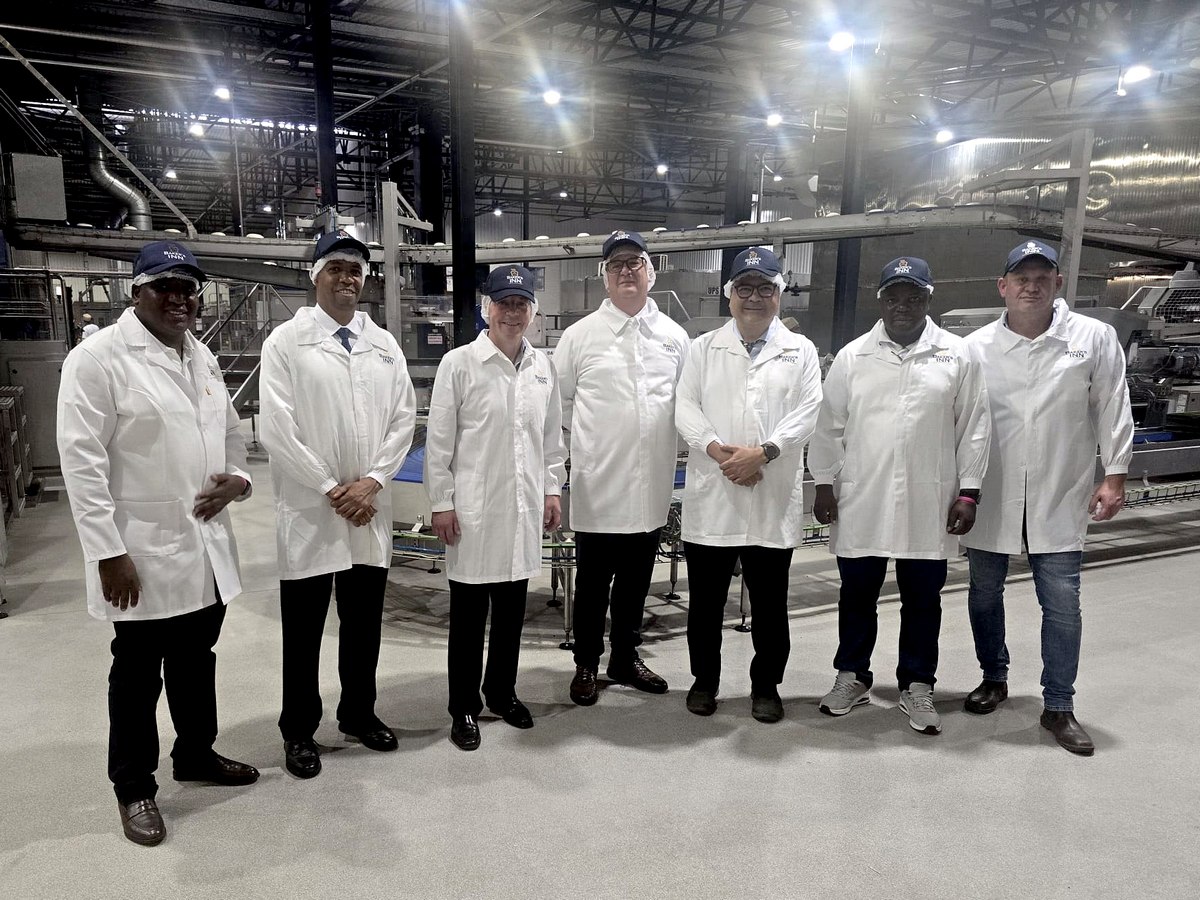
We visited an ultra-modern bread factory, which makes an incredible 900,000 loaves of bread a day in a country where the entire population is only 17 million. Its entire business model rests on producing the best possible quality loaf they can at a price point of US$1. They once tried raising prices, but because no US coinage circulates, only notes, there is no ability for vendors to provide change. So, consumers had to give up $2 to get a loaf and be paid change in kind – usually in the form of additional goods. People didn’t like that and sales almost immediately fell 40%. Management quickly reverted to the $1 price point.
To grow profits therefore, this baking business must expand volumes and rely on efficiencies to drive down costs. This is deflationary, and great for the economy and the consumer. Much like big tech firms, which operate in a deflationary environment and produce better and better versions of their products for cheaper and cheaper prices, bread in Zimbabwe is getting better and better for the same price, too.
The factory was spotless, with brand new European equipment and almost completely automated. Further expansion is underway with new production lines being installed both in Harare and Bulawayo, Zimbabwe’s second largest city and major industrial hub.
Why some deflation is not a disaster
In an economy with little debt, deflation is not destructive the way it is if people and businesses with debts must pay them back with currency that is gaining in purchasing power. This kind of economy is not one that most of us have ever observed first-hand. It’s so long ago that most western economies had sound money and productivity booms led to sustained periods of healthy deflation.
Perhaps my only personal experience has been in Hong Kong, where thanks to the currency board system and Hong Kong dollar’s fixed peg to the US dollar, periods of severe economic contraction, such as that after the Asian crisis, are accompanied by falling prices.
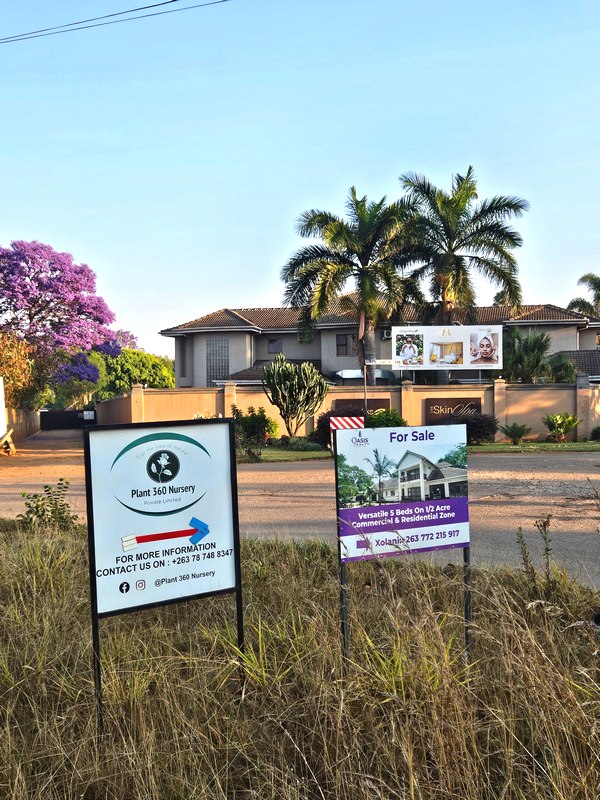
Deflation is not a widespread phenomenon in Zimbabwe, however. On the asset side of the economy, especially in real estate, Zimbabwe is seeing inflation. There’s a real estate boom and prices are rising at a rapid clip. More and more dollars are finding their way to the country and circulating in the economy as near-record gold prices and greater gold output, both from the formal and informal sectors, has created a gold boom in the Zimbabwean economy.
In fact, the only company African Lions Fund has invested in that operates in Zimbabwe so far is a gold mining operation.
But after the whole African Lion Fund team’s visit to Harare this week, we have some new leads to follow up, and we don’t rule out adding more Zimbabwean businesses to our portfolio.
Watch this space.
All in all, we came away with a very favourable impression
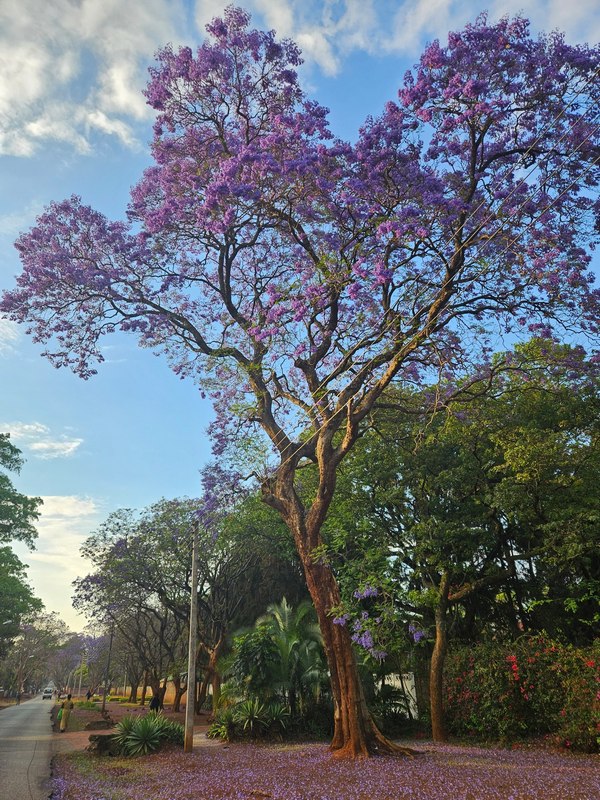
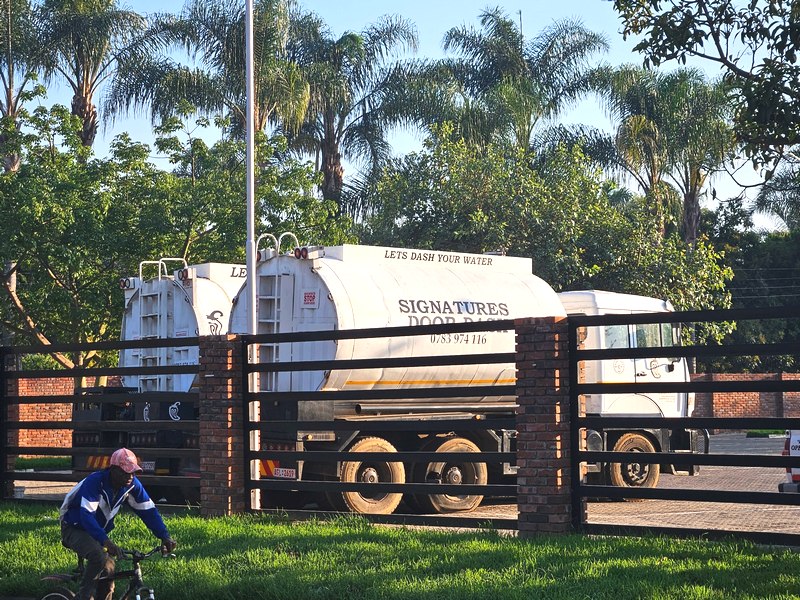
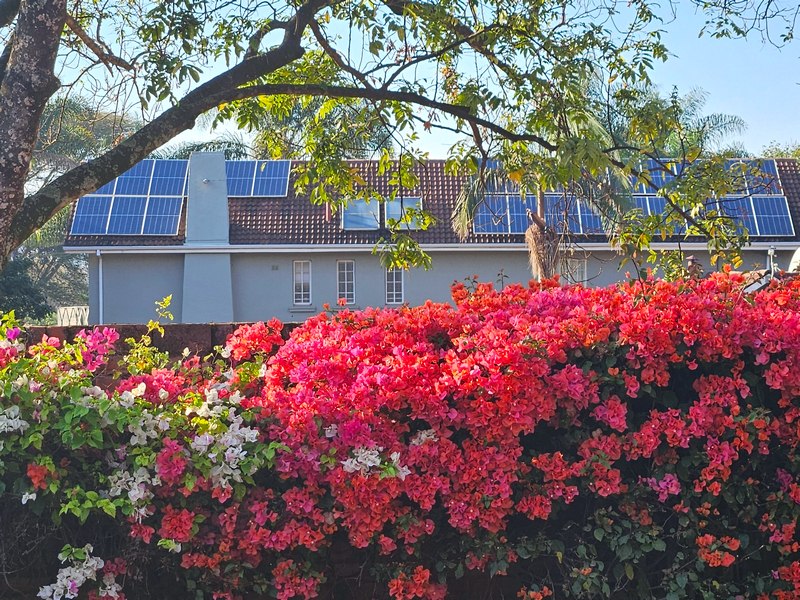
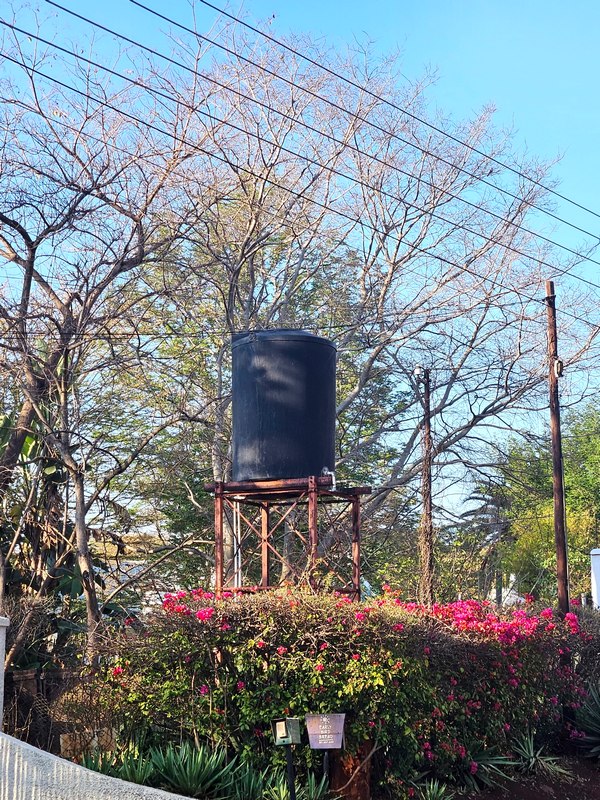
Despite crumbling infrastructure, and the need for Zimbabweans to privately provide many of the services that people in other parts of the world rely on the government for, Harare is a pleasant city. We visited at the time of year when the jacaranda trees were in full bloom, and it was gorgeous.
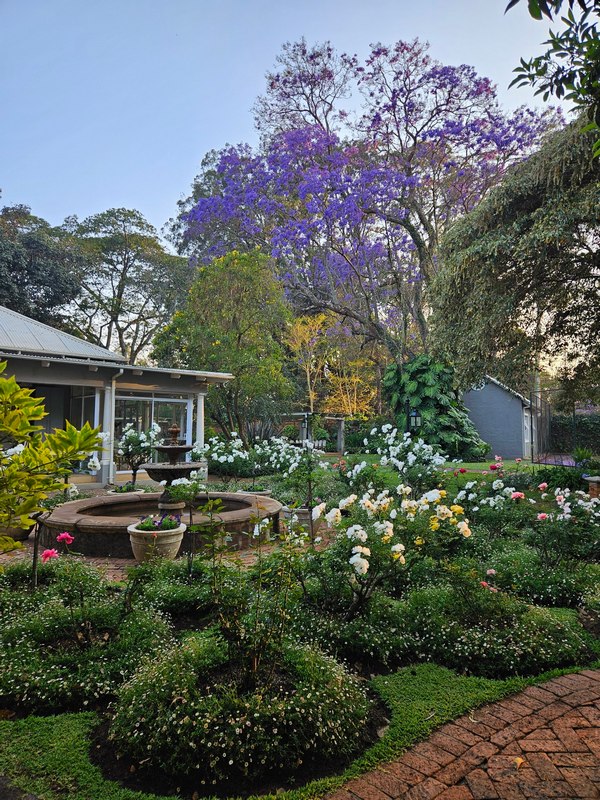
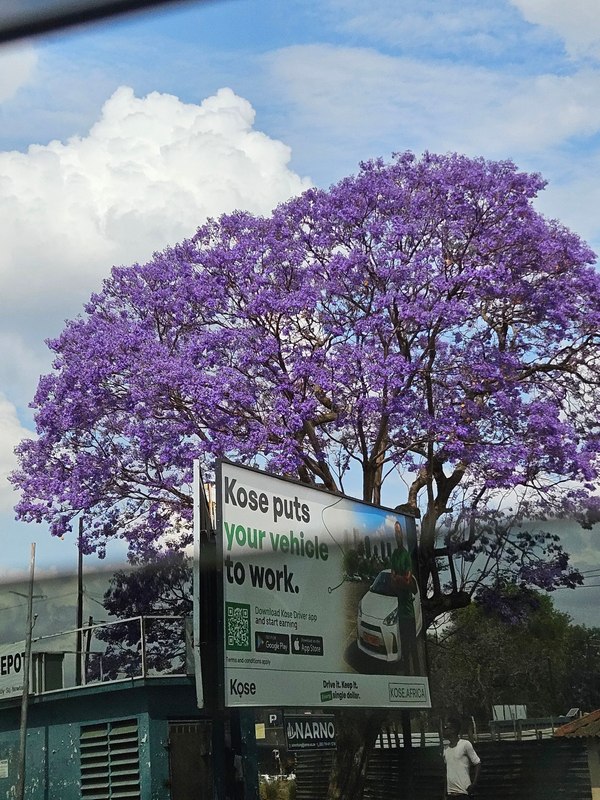
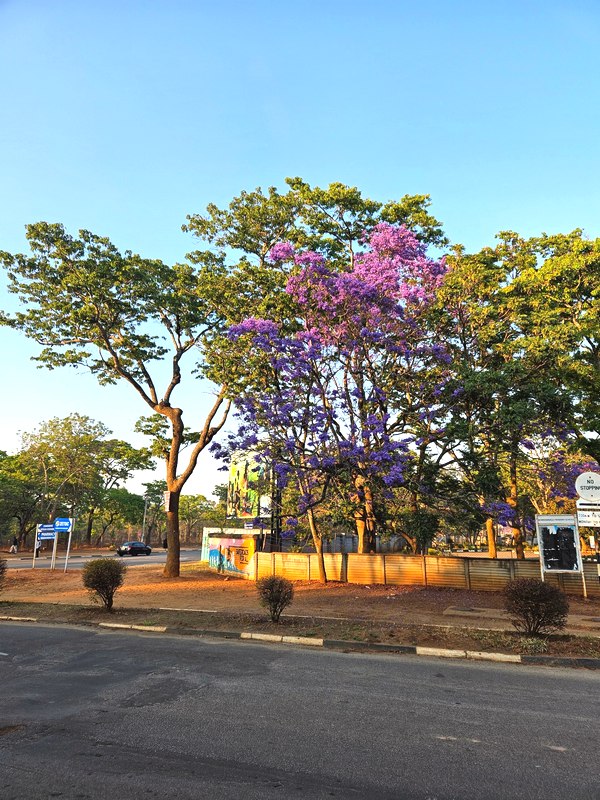
The Zimbabwean people generally struck me as friendly and very resourceful. And I felt safe at all times.
There is a good level of education and skills among older generations of Zimbabweans. Education is prized, and even in recent decades, despite the country’s near meltdown, those who benefitted from a private education, if their parents managed to afford it, have gained valuable skills that can drive this economy forward, now that better times have returned.
Of course, the country’s tough times drove many young, educated Zimbabweans abroad. Today they contribute nearly 20% of the country’s export earnings, by sending home remittances. Some are starting to return, as they begin to see a brighter future for their homeland. Indeed, for someone with an education and decent level of income, the quality of life in Zimbabwe can be spectacularly good.
It’s not all rainbows and unicorns of course. The cost of living, being a dollarized economy, is quite high. The hangover from the hyperinflation lingers. Access to credit is very hard to come by. Corruption remains a big problem, and the country’s infrastructure is clapped out. In time, there is a chance this will all change for the better. But the jury is still out.
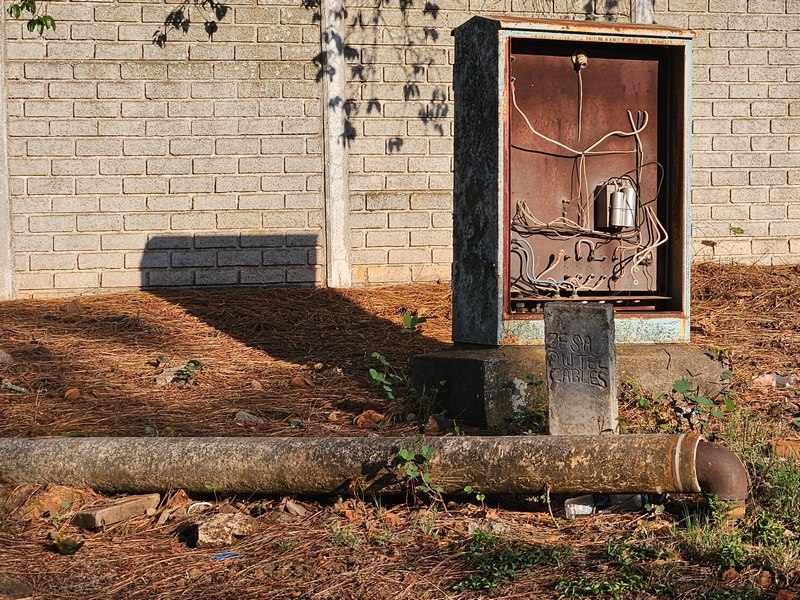
The economy is also quite skewed towards gold and other minerals exports, along with agriculture. That said, as our visit to the bread factory showed, there is a small, sophisticated manufacturing sector, and tourism is also a significant earner, and employer. Zimbabwe offers excellent opportunities for game viewing and safari holidays, as well as being home to the spectacular Victoria Falls on the border with Zambia.
The team and I have more work to do to analyze the potential opportunities we uncovered on our visit, but I’m certain I’ll be back in Zimbabwe soon. As one of our team members remarked, it is the only place we’ve ever visited on an investment research trip where every single person we met and spoke with was bullish on the near-term prospects for the economy and investment markets.
Not in our wildest dreams, having only previously read the clichéd media headlines and articles about Zimbabwe, did we imagine coming away with such positive insights on the country.
Until next time,
Good Investing!

Tim Staermose
Founder, Global Value Hunter
& African Lions Fund Ltd.